

 If you’re asking this question, you probably have some sense that you need indoor air quality improvements, but you aren’t sure if air filters are the answer. After all, there already is an air filter in your house—the one that’s on the HVAC cabinet. This is the filter that we recommend you change every one to three months to ensure the heater and AC continue to work at high energy efficiency. Paying attention to this filter is important for indoor comfort.
However, this filter is not there to improve indoor air quality, so if you’re looking for better indoor air quality, yes, you may need an air filter or an air purifier in Houston, TX.
 The weather is getting warmer, and you know the blistering heat isn’t far off. Is your air conditioning system ready for another hot summer in Katy, TX? Chances are that even if it is ready, it could also be
  With summer coming up, you might be in a position where you’re ready to replace your old air conditioning system and start fresh. We think this is a good idea, especially if your air conditioner is more than 15 years old or it is showing signs it can’t keep up with the heat the way it used to. And if you’re thinking about investing in a high-efficiency air conditioning system with features like a variable-speed fan and multi-stage compressor, we also think that’s a good idea.
 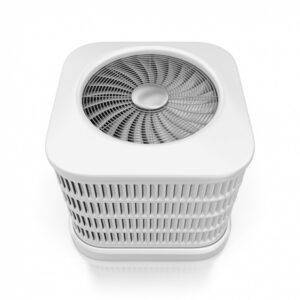 A few weeks ago,
  In other parts of the country, winter is a time when air conditioning systems shut down for months until needed again in the spring. We don’t have that kind of climate in Texas! We have plenty of colder days, but the heat can always make a return, and air conditioners need to be ready to work at any time.
 We all have in our heads an ideal version of what “October” looks like. It’s filled with autumn colors and crisp leaves and pumpkins and a slight chill to the dry air. People have this idealized October in their minds wherever they live, even if the world outside their windows never looks like it. And here in Texas, we don’t necessarily get a cool, crisp October. In fact, plenty of October days can feel close to summer days, with regular temperatures in the 80s.
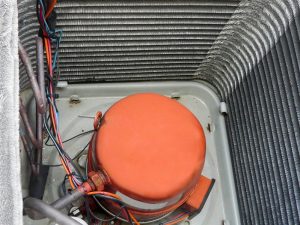 Last year we wrote a post about what to do about your air conditioning system
  You probably know what Texas weather is like—summer temperatures hang around for a long time, even after the official first day of fall. We started the month of September with temperatures in the high 90s. That’s serious air conditioner weather. An air conditioner can lower the temperature inside a house by a maximum of 20°F. So when you have a 96°F day, you almost have to work the AC to the maximum to get the house down to the recommended 78°F for comfort. (Try not to set the thermostat lower than this, especially in intense heat, since it not only wastes energy, it can actually lead to the evaporator coil icing over.)
 We offer services for a wide range of types of
 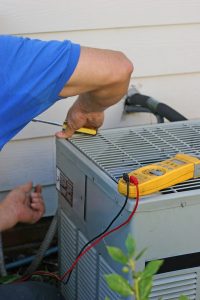 A common and major repair problem air conditioning systems run into is leaking refrigerant. Tiny holes along the copper refrigerant lines allow the refrigerant level in the system to drop, and that puts the entire air conditioner in jeopardy. Air conditioning systems are manufactured to run a specific charge (amount) of refrigerant. If that drops, it will not only lower cooling capacity, it will eventually inflict irreparable damage to the components, concluding with a burnt-out compressor.