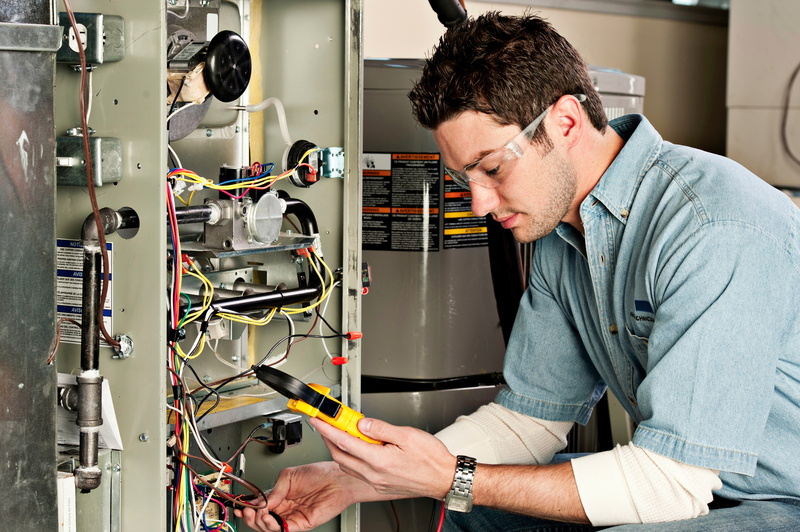
Your furnace is made up of many components. But perhaps the most important one is your heat exchanger. The heat exchanger is the part that allows warm air two into your home while channeling combustion gases outside of your home. Without this component, your furnace simply cannot work.
If the heat exchanger has started to deteriorate, your home and family are all at risk. The heat exchanger must maintain a completely airtight seal in order to keep harmful gases out of your home.
How do you know if your heat exchanger has something wrong with it? If you suspect that your furnace’s heat exchanger is failing, you need furnace repair in Sugarland, TX. Our team can help! In the meantime, you can keep reading to learn more about what happens when your heat exchanger fails.
What Are the Signs Your Furnace Needs Repair?
A furnace may need repair when you notice a yellow burner flame, unusual smells, soot buildup, strange popping or hissing sounds, or signs of damage near the heat exchanger. A carbon monoxide alarm is also a serious warning that the system should be inspected as soon as possible.
Common Furnace Problems
A variety of factors can contribute to a failing heat exchanger. One is an air filter that is clogged or dirty. If your heat exchanger cannot bring air into the system, it may create more pressure inside that eventually leads to stress cracks. Changing your air filter regularly is a great way to protect your furnace’s heat exchanger.
You also want to make sure that your furnace is the right size for your home. A furnace that is too big can easily overheat. A furnace that is too small may have too much stress on the system which can lead to fatigue. In both cases, your furnace may wear down faster than the 10 to 15-year average lifespan that is expected.
Signs of a Failing Heat Exchanger
There are six signs you need to watch for that can indicate your heat exchanger is cracked.
- Unusual smells – When your heat exchanger cracks, gases that burn inside the system, including carbon monoxide and nitrous oxide can leak into your home. These toxic fumes often bring with them bad odors such as the smell of sulfur.
- Soot – You may notice a buildup of white soot inside and around the burners of your furnace. While it is natural for your furnace to get a little bit dirty, significant soot buildup is a bad sign.
- Cracks – If you see cracks anywhere else around your furnace, it’s likely that your heat exchanger is also cracked. Any signs of damage need to be addressed immediately.
- Burner flame – The burner flame inside your furnace should always be bright blue. A pale blue, yellow or orange flame means that something is wrong. There may be too much gas inside your furnace.
- Unusual sounds – Your furnace is not silent, but it should also not be loud. If you hear any hissing or popping, there’s a good chance that your heat exchanger is cracked.
- Carbon monoxide – If you have carbon monoxide detectors that are going off, they are alerting you of the presence of carbon monoxide inside your home. You may have other gas appliances, but there’s a good chance that your furnace is to blame. If this happens, turn the system off and get it inspected.
Frequently Asked Questions
Question: What happens if a furnace heat exchanger fails?
Answer: When a furnace heat exchanger fails or cracks, it may allow combustion gases to escape instead of being safely vented outside. This can create a serious safety concern, especially if carbon monoxide enters the home. A suspected heat exchanger problem should be inspected promptly by a qualified HVAC professional.
Question: What are the signs of a failing furnace heat exchanger?
Answer: Warning signs can include unusual odors, soot buildup, visible damage, abnormal burner flames, hissing or popping noises, and carbon monoxide detector alerts. Because some of these symptoms can also indicate other furnace problems, a professional inspection is necessary to determine whether the heat exchanger is actually damaged.
Question: What causes a furnace heat exchanger to crack?
Answer: Heat exchangers can deteriorate because of repeated heating and cooling, overheating, corrosion, restricted airflow, or improper furnace sizing. A clogged air filter can also reduce airflow and contribute to excessive heat and stress inside the system. Regular maintenance can help identify conditions that may shorten the heat exchanger’s lifespan.
Question: How can a damaged heat exchanger affect carbon monoxide levels in my home?
Answer: A damaged heat exchanger can allow combustion gases, including carbon monoxide, to enter areas where they should not be present. If a carbon monoxide detector sounds, leave the affected area and follow appropriate emergency guidance. The furnace should also be inspected by a qualified professional before being operated again.
Question: What should I do if my furnace has a cracked heat exchanger?
Answer: A cracked heat exchanger generally should not be patched or welded because it must maintain a reliable seal while repeatedly expanding and contracting under high temperatures. Depending on the furnace’s age, condition, and warranty coverage, a technician may recommend replacing the heat exchanger or replacing the entire furnace.
Your comfort is our business! Serving Katy, TX, and the surrounding areas. Schedule an appointment with us today.